
Moving to Milton, Georgia: A guide for out-of-state buyers
Milton, Georgia is one of North Fulton’s most distinctive communities. It offers a rare mix of upscale suburban living, rural character, equestrian properties, strong schools, green space, and proximity to Metro Atlanta. For people moving from outside Georgia, Milton is often appealing because it feels quieter, more spacious, and more residential than many Atlanta suburbs, while still being close to Alpharetta, Roswell, Johns Creek, Sandy Springs, and the broader Atlanta job market.
Milton is not for everyone. It is one of the more expensive areas in Metro Atlanta, and it has a more spread-out, car-dependent lifestyle. But for buyers who want space, privacy, highly rated public schools, larger homesites, horse farms, trails, and a quieter North Atlanta setting, Milton deserves serious consideration.


What is Milton known for?
Milton is for people who want North Atlanta access without giving up space, greenery, privacy, and a quieter residential environment.
Milton is known for its rural heritage, equestrian lifestyle, highly rated schools, large homes, affluent residential base, and strong quality of life. KNOWAtlanta describes Milton as a highly affluent city that works to maintain its rural heritage while offering residents an exceptional quality of life.
Niche describes Milton as a suburb of Atlanta with a population of 41,546 and says living in Milton offers residents a sparse suburban feel, with most residents owning their homes. Niche also notes that Milton has many parks, many families, and highly rated public schools
Where is Milton?
Milton is located in North Fulton County, north of Atlanta and adjacent to Alpharetta, Roswell, and Cherokee County. It is part of the larger Metro Atlanta area, but the feel is very different from the city. Milton is known for its rolling hills, tree-lined roads, pastureland, estate homes, and low-density residential character.
The City of Milton was officially created in 2006 after voters approved incorporation. The city’s own history notes that 85% of voters supported the referendum to create Milton, showing how intentional residents were about forming and preserving a distinct local identity.
For relocation buyers, the key thing to understand is this: Milton is close to Atlanta’s opportunities, but it is not trying to feel like Atlanta. It is more rural-suburban, more residential, and more privacy-oriented than many nearby communities.
Milton Lifestyle
Milton feels more open and rural than Alpharetta, Roswell, Sandy Springs, or Johns Creek. It is not a dense, walkable, urban-style suburb. It is more about residential neighborhoods, larger lots, horse farms, winding roads, parks, trails, local restaurants, and a slower pace.
That does not mean Milton is disconnected. Residents are still close to Alpharetta’s shopping, restaurants, business districts, Avalon, Downtown Alpharetta, GA-400, and North Fulton amenities. But Milton itself has worked hard to preserve a quieter, lower-density identity.
This is especially important for out-of-state buyers. If you are moving from a dense city or a highly walkable market, Milton may feel peaceful — or it may feel too spread out. The right answer depends on what kind of daily life you want.
Housing in Milton
Rural & Equestrian
Park, Trails and Outdooors
Schools & Education
Commute & Transport
Things to Do
Milton housing is generally more expensive than many other parts of Metro Atlanta, with buyers often paying for space, privacy, school access, larger lots, community character, and long-term desirability rather than the lowest price per square foot. It may be a strong fit for buyers who want a quiet, private, residential lifestyle, but less ideal for those seeking lower entry pricing, condos, heavy walkability, nightlife, public transit, or a short downtown Atlanta commute.
One of Milton’s biggest differences is its rural and equestrian identity. Southern Living described Milton as a small Georgia city that feels like the countryside while still being less than 30 miles from Atlanta. The article highlights Milton’s rolling hills, historic buildings, pastures, horse farms, tree-lined neighborhoods, and equestrian culture. .
Milton is frequently associated with strong public schools. Niche gives Milton high marks for public schools and ranks it among the best Atlanta-area communities for public education. The most important advice for buyers is to verify school assignments by address. Do not rely only on city name, subdivision name, or online listing descriptions. School zones can change, and a property with a Milton mailing address does not guarantee a specific school without verification.
Milton offers a quieter home base while still keeping residents close to North Fulton destinations like Downtown Alpharetta, Avalon, Crabapple, Roswell, parks, restaurants, farmers markets, equestrian facilities, and local events. Its charm comes from a more relaxed, rural-feeling lifestyle, with nearby Alpharetta and Roswell providing additional shopping, dining, entertainment, and business activity.
Milton is best for buyers who are comfortable driving, since most errands, school activities, shopping trips, and commutes require a car. It can be convenient for people working in Alpharetta, Roswell, North Fulton, Cumming, or parts of Sandy Springs, but buyers commuting daily to downtown Atlanta, Midtown, Buckhead, or the airport should test the drive before buying. In Metro Atlanta, commute time depends on more than mileage, including time of day, traffic patterns, GA-400 access, weather, and the home’s exact location.
Milton is a strong fit for buyers who value parks, trails, green space, and outdoor living. The city’s appeal often comes from its trees, horse farms, quiet setting, schools, and lower-density feel, along with continued investment in public outdoor spaces. For relocation buyers who want more space, privacy, and access to nature, Milton should be on the comparison list.


What Types of Buyers May Like Milton?
Routinely ranked as one of the safest cities in Georgia. Alpharetta may be a good fit for:
Families prioritizing schools, space, and community feel
Buyers looking for larger lots or luxury homes
People who want a quieter North Fulton lifestyle
Relocation buyers who want room to breathe without leaving Metro Atlanta
Horse owners or buyers drawn to equestrian communities
Professionals working in Alpharetta, North Fulton, Roswell, or nearby areas
Buyers who prefer privacy over walkability
Milton may not be the best fit for buyers on a tighter budget, people who want a highly walkable or urban lifestyle, daily downtown Atlanta commuters, or those who rely on public transportation. It may also feel too quiet or spread out for buyers who prefer nightlife, condos, smaller homes, or lower-maintenance city living.


41,546
40.1
MEDIAN AGE (YEARS)
CITY POPULATION
$668M - 1.4 MM
$171,000
MEDIAN HOME VALUE
MEDIAN HHI
Pros and Cons of Living in Milton


Milton is expensive. It is also car-dependent, less walkable than some nearby areas, and not ideal for buyers who want a dense urban lifestyle. Commutes into Atlanta can be difficult depending on work location and time of day. Buyers who want nightlife, public transit, or lower-cost housing may find a better fit elsewhere.
Milton offers a quieter, more spacious lifestyle than many Metro Atlanta suburbs. It has highly rated schools, larger homes, green space, equestrian character, strong community identity, and proximity to Alpharetta and North Fulton amenities. It is especially attractive for families and buyers who want privacy, space, and a more residential feel.
Pros
Cons
How Milton compares to nearby cities
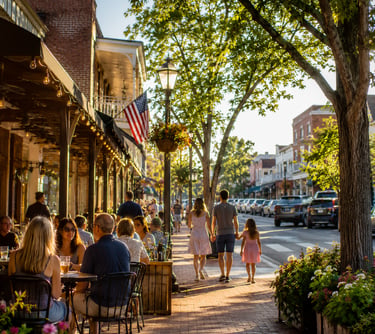

Roswell
May appeal more to buyers who want historic charm, older neighborhoods, and river access.
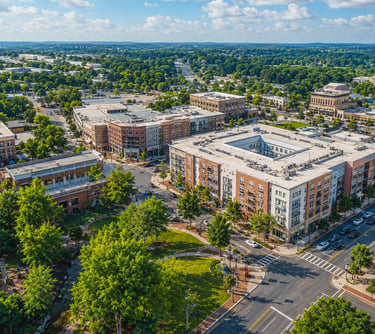
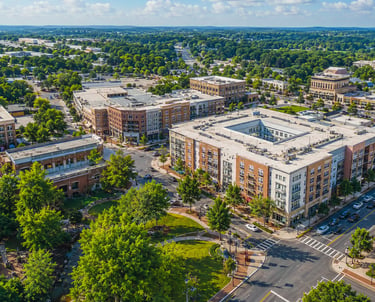
Alpharetta
May appeal more to buyers who want a polished suburban feel, strong schools, newer neighborhoods, shopping, dining, and access to major job centers.


Johns Creek
May appeal more to buyers who prioritize schools, subdivisions, and family-centered living.


Sandy Springs
May appeal more to buyers who want closer access to Buckhead, Atlanta, hospitals, and corporate centers.
In comparison, Milton usually feels more rural, spacious, private, and estate-oriented, with larger lots, equestrian properties, luxury homes, and a quieter pace than many nearby North Atlanta suburbs.
Thinking about moving to Milton
Before you choose a home, it is important to understand commute routes, school zones, neighborhood differences, lot sizes, lifestyle fit, and how Milton compares to Alpharetta, Roswell, Johns Creek, and Sandy Springs. As a Metro Atlanta REALTOR®, I help relocation buyers evaluate North Atlanta communities so they can make a confident decision before they move.
Sonji Stewart, REALTOR®
Providing strategic real estate advisory across Metro Atlanta - specializes in local expertise for Alpharetta, Milton, Sandy Springs, Johns Creek, and Roswell.
DIRECTORY
Home
For Buyers
For Sellers
Relocation
Home Valuation
About
© 2026 Sonji Stewart, REALTOR® in Georgia with 20 West Realty. Equal Housing Opportunity Broker
CLARITY • CONFIDENCE • STRATEGY




We are pledged to the letter and spirit of the State of Georgia and federal policies for the achievement of equal housing opportunity. We encourage and support an affirmative advertising and marketing program in which there are no barriers to obtaining housing because of race, color, religion, sex, handicap/disability, familial status, or national origin.